About Birmingham LMC
Birmingham Local Medical Committee (LMC) represents and supports general practice to ensure that GPs are properly valued and their skills properly utilised in serving the public.
- Members – the elected GPs who represent local practices on the committee
- Staff – the team who support the day-to-day work of the LMC
- Past Chairs and Secretaries – a record of those who have led BLMC over the years
As the local professional voice for general practitioners, Birmingham LMC is:
- Democratic – Comprising elected local GPs.
- Representative – Regularly canvassing the views of local GPs and representing General Practice to the Integrated Care Board (ICB), NHS England, local authorities, and secondary care providers, as well as representing local GPs nationally through the GPC.
- Statutory – Operating with distinct rights and responsibilities defined by Act of Parliament.
- Professional – Concerned with promoting quality in patient care and upholding standards of professional practice.
- Independent – Funded directly by GPs to support GPs and their practices.
- Supportive – Offering confidential advice and pastoral support on all matters affecting professional activities.
Governance & Constitution
- Click here to download the Birmingham LMC Constitution 2026
- Click here to download the Birmingham LMC Limited Articles of Association
The Statutory Role of LMCs
LMCs are the only organisations recognised by statute (the NHS Act 2006, as amended by subsequent legislation) as the bodies representing all NHS GPs practising within their defined area. This statutory recognition is also firmly enshrined within GMS contract regulations and GP Performers List regulations.
Throughout countless structural changes within the NHS, Local Medical Committees across the UK have remained the single continuous element of representation since the inception of the health service. In fact, the statutory status of LMCs pre-dates the NHS, tracing its origins back to 1911.
Birmingham LMC is made up of democratically elected GP members chosen by their peers. Committee members serve a four-year electoral term to ensure stable, accountable representation.
LMC Funding & Levies
Birmingham LMC is funded independently by the practices and GPs it represents through the collection of statutory and administrative levies.
- The Statutory Levy (GMS) and Administrative Levy (PMS) fund our core representational work, ensuring all partners and salaried GPs within a contributing practice benefit from LMC advice and support.
- Freelance Locums can also secure full LMC representation and support by signing up to a regular levy mandate.
- The Additional Voluntary Levy funds our contribution to the General Practitioners Defence Fund (GPDF), supplementing national GPC negotiating structures. It also supports selected medical charities with historical links to Birmingham general practice and qualifies contributing GPs to vote or stand in regional GPC elections.
Tax Notice: All LMC levy contributions are fully tax-deductible professional expenses.

The Work of the LMC
Birmingham LMC is proactive in keeping abreast of all local and national issues affecting general practice. We closely monitor NHS England policies and actively collaborate with the Integrated Care Board (ICB), local authorities, Primary Care Networks (PCNs), and secondary care partners across the local health economy to ensure the voice of general practice is central to strategic planning.
On a national level, we work closely with the BMA’s General Practitioners Committee (GPC) to ensure national issues are acted upon swiftly and important guidance is disseminated locally. LMCs directly influence national GPC policy by submitting strategic motions to the Annual National Conference of LMCs.
Beyond our formal statutory duties, Birmingham LMC provides a comprehensive range of advisory, pastoral, and troubleshooting functions tailored to the evolving needs of GPs and practice teams, including:
- Contracts & Funding: Guidance on GP contracts, essential and enhanced services, global sum, and premises funding.
- Strategic Development: Support with practice resilience, sustainability, partnership mergers, and working at scale within the integrated care agenda.
- Primary Care Networks (PCNs): Guidance on PCN schedules, workforce integration, and clinical director support.
- Compliance & Regulation: Care Quality Commission (CQC) registration, compliance preparation, and post-inspection support.
- Professional Performance: Support regarding appraisal, revalidation, complaint handling, and GP Performers List issues.
- Estates & Infrastructure: Premises advice, improvements, and navigating service charge disputes with NHS Property Services or Community Health Partnerships (LIFT).
- Secondary Care Interface: Troubleshooting operational friction and workload shift at the interface with secondary and community care.
- Practice Transitions: General advice on partnership agreements, disputes, sickness/absence management, and retirement planning (please note we are unable to provide formal legal, financial, or specific pensions advice).
- Practice Manager Support: Facilitating our Practice Manager Peer Support Network and offering general guidance on staffing issues (excluding specialist employment law advice).
- System Liaison: Coordinating with local dental, pharmaceutical, and optical committees.
If there are any issues or concerns affecting you or your practice, please contact the secretariat team by email us via the contact facility on this website.
Our Historical Origins
The global origins of the LMC network date back to the 1911 Lloyd George state health insurance scheme, where locally elected committees of “panel doctors” were first recognised as the official representative voice of the profession.
Birmingham LMC has a rich history of national influence. Two past leaders merit historic mention for their profound impact on the structure of the modern NHS:
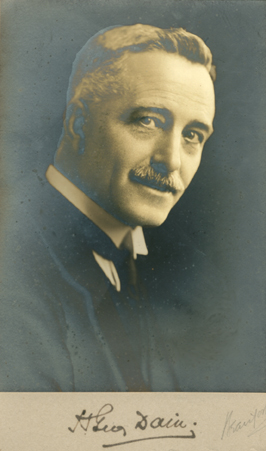
Sir Guy Dain: A Selly Oak GP who chaired Birmingham LMC from 1915 to 1937. As Chairman of the national BMA during the post-war period, he led the delicate and historic negotiations with the Attlee Government that ultimately secured the cooperation of the medical profession in establishing the National Health Service in 1948.

Dr Solomon (Solly) Wand: A Balsall Heath GP who served as an LMC member for over 50 years. He rose to the highest offices of the BMA, including Chairman of Council and Chairman of the General Medical Services Committee (the forerunner to the GPC), famously securing a landmark 100% increase in GP fees in 1952.